Menu
0 unread messages
Near Space Satellite Program | Smartcircuits Innovation
ISRO CERTIFIED · NASA MENTORED · IAF MEMBER

Launch Your OwnNear Space Satellite

Design, Build, Test and Launch a Real High Altitude Balloon Satellite to the Edge of Space — reaching 30–50 km altitude, above 99% of Earth's atmosphere.

30–50 km
Altitude Reached
6–8 mo
Program Duration
1/40th
Cost of Orbital Sat
STRATOSPHERE He SAT-01 GROUND 50 km 30 km 0 km ALT: 35.4 km TMP: -52°C PRE: 0.8 hPa GPS: LOCK ✓

Real Space Technology
Education for Future Engineers

Smartcircuits Innovation Pvt. Ltd. is an applied research lab focusing on R&D and training in Space Sciences, Astronomy, Rocketry, Satellite design & launch, Electronics, Robotics, AI, IoT, and emerging technologies.

Our Near Space Satellite Program gives students hands-on experience designing, building, and launching a real satellite that travels to the stratosphere — above 99% of Earth's atmosphere — reaching altitudes of 30–50 km.

NASA Mentored
ISRO Certified
IAF Member

🎯 Mission Goal

Students design and launch a HAB (High Altitude Balloon) satellite carrying custom sensors, GPS, camera, and telemetry systems to the edge of near space — experiencing -50°C temperatures and pressure 1/100th of sea level.

🛰

Satellite Development

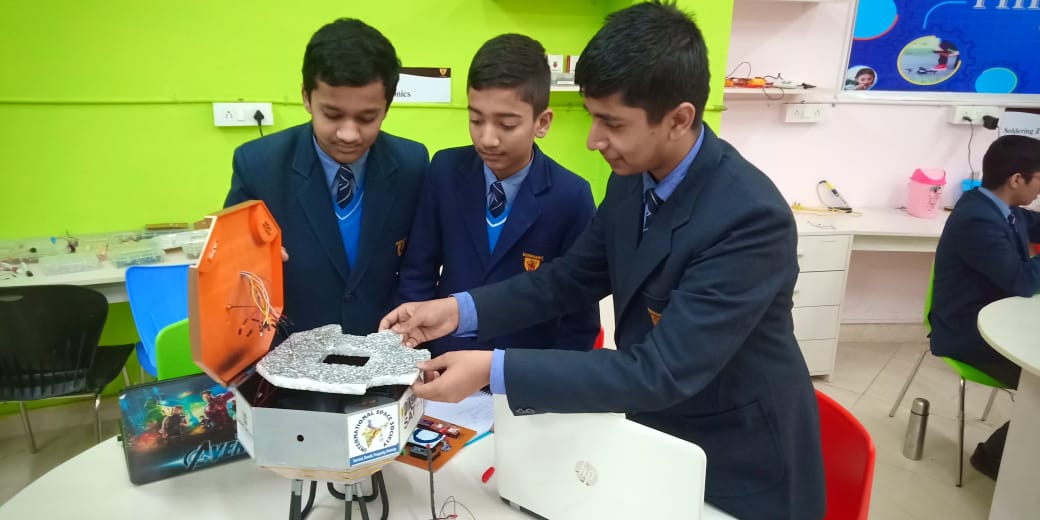
Build a real CubeSat-standard satellite with aluminium structure and space-grade components including OBC, EPS, and communication systems.

🎈

HAB Missions

Helium balloons carry your satellite payload to 30–50 km altitude, staying aloft for 2–5 hours in the stratosphere.

📡

Ground Station Ops

Track your satellite live using GPS + GSM, receive telemetry data via LoRaWAN radio frequency transmission.

🔬

Scientific Experiments

Conduct atmospheric research measuring temperature, pressure, humidity, UV radiation, and more in near space.

What You'll Build & Launch

Eight core mission pillars that make this the most comprehensive student aerospace program available.

🚀
Satellite Design
Design a 1U CubeSat-spec satellite from scratch using aerospace engineering principles and 3D-printed PLA structure.
🛰
Payload Development
Integrate sensors, camera, flight controller, GPS/GSM, and communication modules into your mission payload.
📡
Telemetry Systems
Build and operate a LoRaWAN-based communication system transmitting live data from near space to ground station.
🌎
GPS Tracking
Implement real-time GPS+GSM tracking to monitor satellite coordinates, altitude, and trajectory live.
📷
Space Imaging
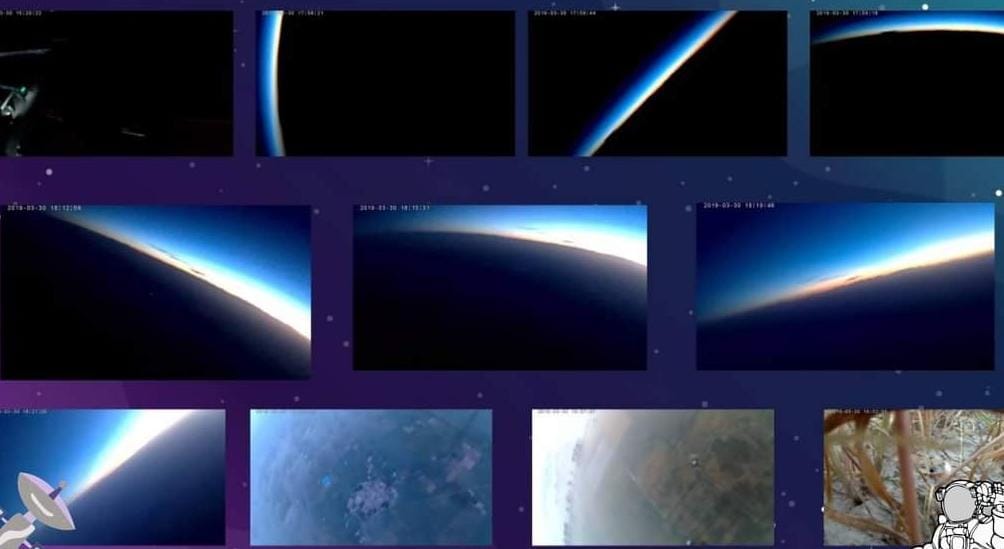
Capture stunning high-resolution images of Earth's curvature and atmospheric layers from 30–50 km altitude.
Atmospheric Research
Collect atmospheric data including temperature (-50°C), pressure (1/100 sea level), humidity, and UV radiation.
🔬
Scientific Experiments
Design and conduct custom scientific experiments in near space conditions — radiation, biology, materials, and more.
🎈
HAB Launch
Execute a real launch using a Helium CPR 1200 balloon with full ATC/Air Force/Ministry of Defence clearances.

Near Space Satellite vs Orbital Satellite

The smarter, faster, more accessible path to real space mission experience for student teams worldwide.

VS
Orbital Satellite
Low Earth Orbit Mission
Costs ₹2 Crore+ per mission
Years of development & launch prep
Complex regulatory approvals
No payload recovery possible
Contributes to space debris
Not accessible for student budgets
Requires dedicated launch facility
Limited hands-on student involvement

How Your Mission Takes Flight

From helium balloon to ground recovery — the complete HAB satellite mission flow.

🎈
Helium
Balloon
CPR 1200 filled with He gas, 2m diameter
🚀
Ascent
Phase
5 m/s ascent to stratosphere
🛰
Satellite
Payload
Sensors, GPS, camera, telemetry active
💥
Balloon
Burst
Auto-deploys parachute at peak altitude
🪂
Parachute
Descent
Guided safe descent to landing zone
📡
Ground
Station
Live GPS tracking, data retrieval
🔬
Post-Flight
Analysis
Data analysis, mission debrief, report

Space-Grade Components

Every component in your satellite is modelled on real aerospace specifications, giving you genuine engineering experience.

01 / SENSING
🌡
Sensor Suite
Multi-parameter environmental sensing array for atmospheric data collection during ascent and descent.
TemperaturePressureHumidityUVIMUGas
02 / NAVIGATION
🛰
GPS & GSM Module
Live coordinate tracking providing real-time latitude/longitude data streamed to ground station throughout flight.
Live GPS LockGSM DataTrajectory Map
03 / CONTROL
🖥
Flight Controller
Student-programmed RP2040-based OBC managing all satellite subsystems, data logging, and command execution.
RP2040I2C/SPIPersistent Storage
04 / IMAGING
📷
Camera Module
High-resolution camera for capturing Earth's curvature, atmospheric layers, and stratospheric imagery during flight.
Hi-ResEarth CurvatureVideo
05 / COMMUNICATION
📻
Ground Station
Mini ground station with LoRaWAN amateur radio receiver, laptop interface, and real-time dashboard software.
LoRaWANUSB InterfaceDashboard
06 / RECOVERY
🪂
Parachute System
Auto-deploying recovery parachute activates at balloon burst, guiding the satellite safely to the predicted landing zone.
Auto-DeployReusableSafe Landing

Your 6–8 Month Mission Journey

A structured journey from zero to launch — guided by expert mentors at every phase.

🔭
Research
Space sciences, aerospace fundamentals
✏️
Design
Satellite architecture and payload planning
🔧
Development
Hardware assembly, 3D printing, coding
🧪
Testing
Component testing, sensor calibration
💻
Simulation
Mission simulation, trajectory modelling
🚀
Launch
Full mission launch with official clearances
🗺
Recovery
GPS-guided satellite field recovery
📊
Analysis
Post-flight data analysis and mission report

Guided by Global Space Experts

Learn directly from professionals at the world's most prestigious space agencies and research institutions.

🚀
NASA
Johnson Space Center
Program mentored by George Salazar, NASA JSC — bringing real mission operations expertise to student teams.
Principal Mentor
🛰
ISRO
Certified Space Tutor
ISRO-certified curriculum with space science expertise, satellite technology guidance, and mission design support.
Certified Partner
🌐
IAF
International Astronautical Federation
Proud member of the IAF — connecting students to the global space community and international aerospace standards.
Proud Member
👨‍🔬
EXPERTS
Aerospace Scientists & Engineers
10–12 expert-led sessions over 6–8 months at your school or university, with on-site training, prototyping, and simulation.
10–12 Sessions

Numbers That Define the Mission

📡
0 km
Maximum Altitude Reached
🌍
0%
Atmosphere Below You
📅
0 months
Complete Program Duration
👩‍🚀
0 students
Student Team Size
🔬
0+ pts
Sensor Data Points Captured
🏆
1st
Mission in North India

What the World Is Saying

★★★★★
"
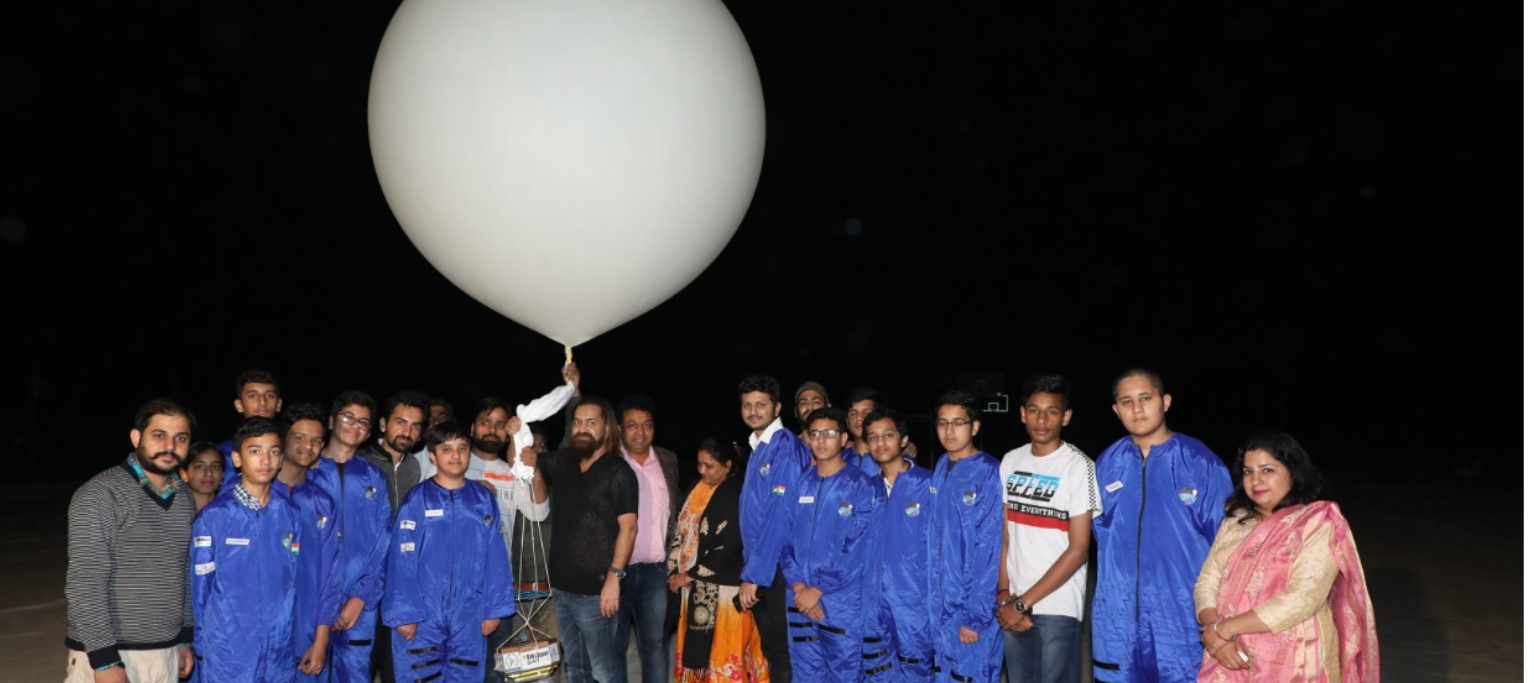
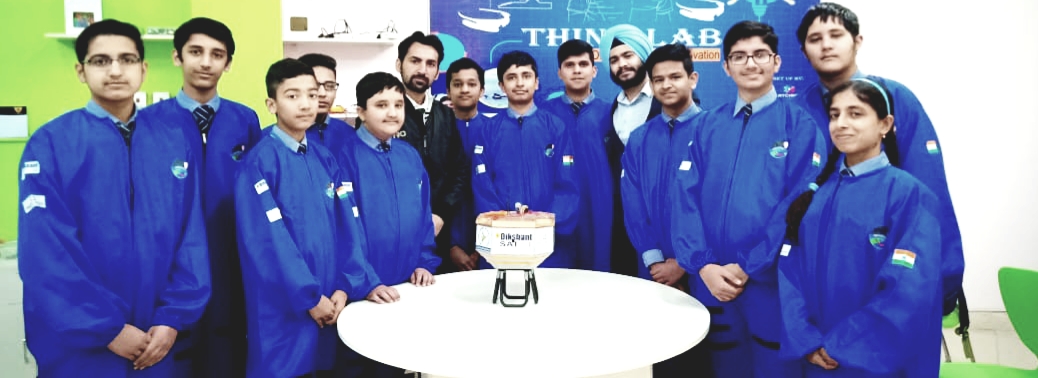
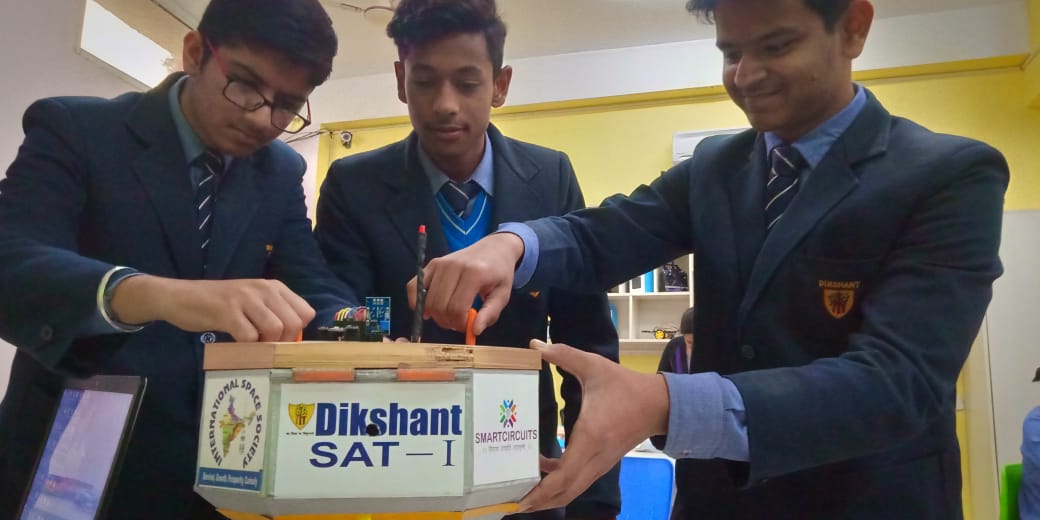
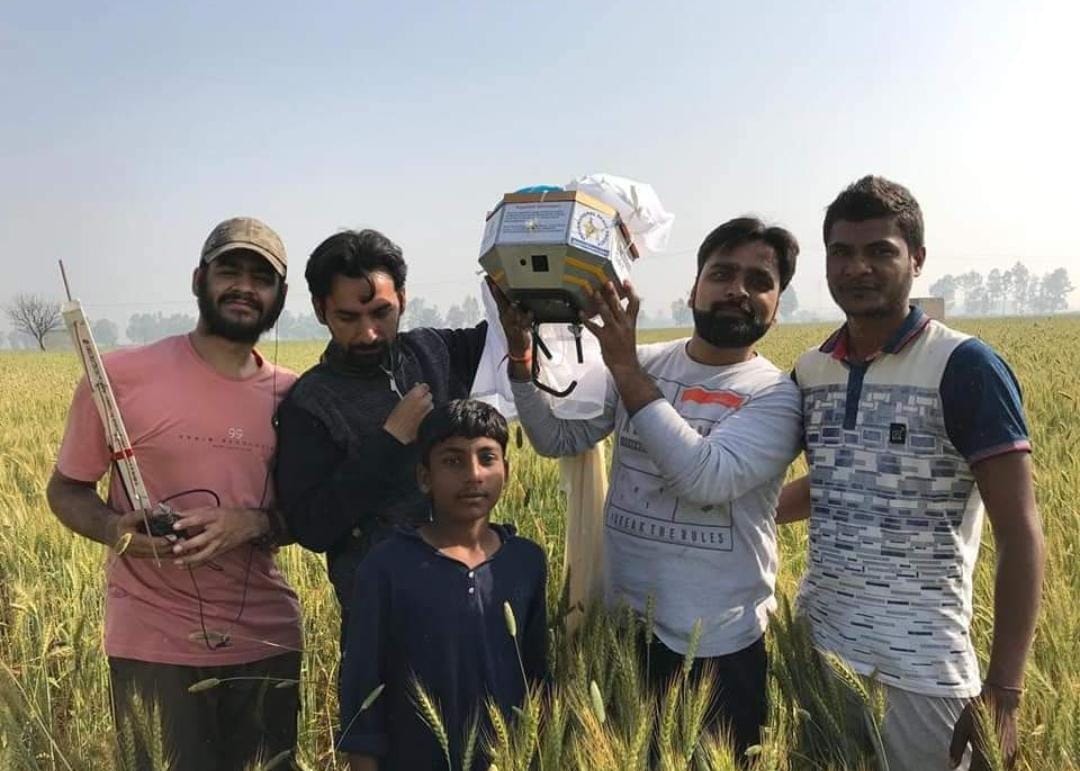
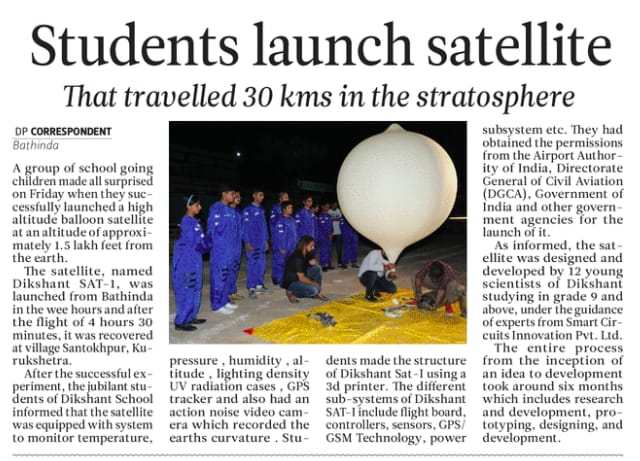
Congratulations to all the students at Dikshant School for their DikshantSat-I High Altitude Balloon Satellite. This is a landmark achievement in student space exploration.
👨‍🎓
Prof. Chris Welch
International Space University, France
★★★★★
"
This is so awesome, congrats to the whole team… so so proud. Seeing young students build and launch real satellites is inspiring for the entire nation.
🎵
Shantanu Moitra
Renowned Music Director
★★★★★
"
The students surprised me with their eagerness to learn and their commitment to executing a complete space mission. This program raises the bar for STEM education worldwide.
🚀
George Salazar
NASA Johnson Space Center

Become Part of the
Next Generation Space Mission

Your school, university or organization could be the next to launch a real satellite. Join India's most advanced student aerospace program today.

NASA MENTORED ISRO CERTIFIED IAF MEMBER REAL MISSION
WhatsApp